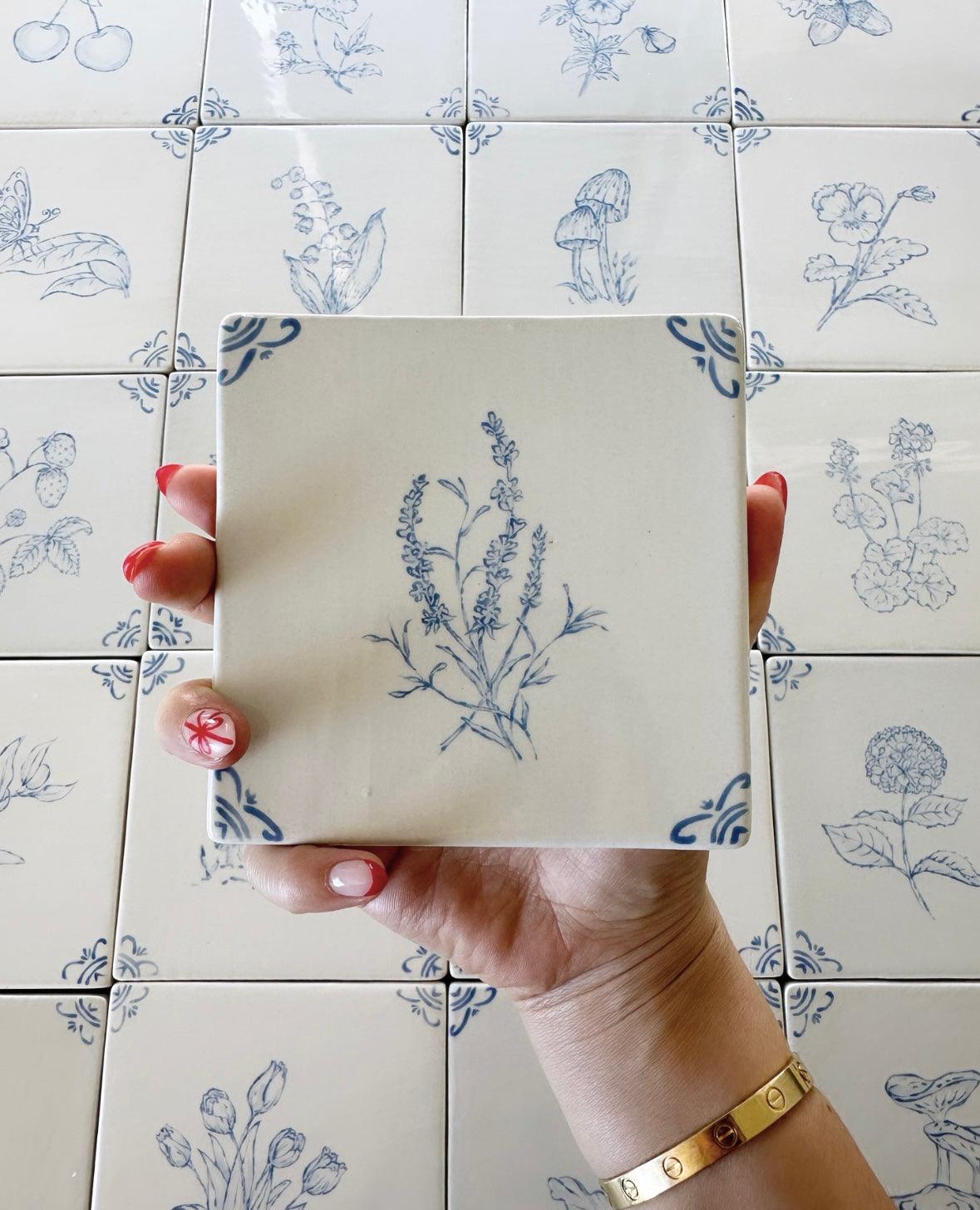
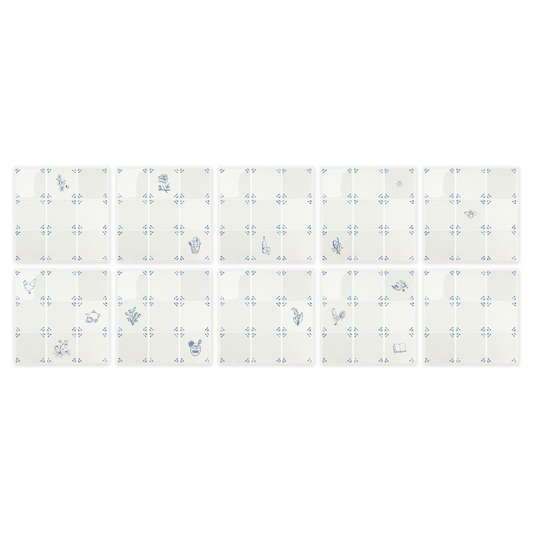
We believe that beautiful design and unique character should be available to every home. Our DIY peel and stick tiles offer you the same warmth and charm as our premium hand-crafted tiles, at a fraction of the commitment. You’ll find the same corner-only designs as our classic blue Delft range, with our latest stick-on motifs to bring you a truly personalised tile experience.
Whether you prefer to mix and match your patterns or precisely plan every tile and motif, you can craft a signature narrative as unique as your space. Leave lacklustre rental walls and draining renovations behind, and bask in the comfort of captivating, hassle-free design.
Find the right tiles for your space
Whether you’re searching for character charm, a modern masterpiece, or a fantastical finish, our stylish corner and motif stick-on tile designs offer something special for every story.
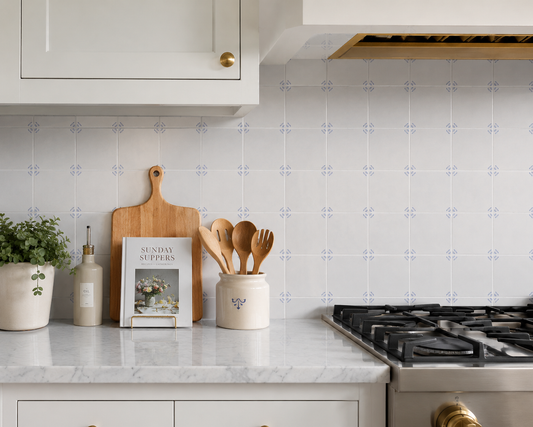
Kitchen tiles
Serve the heart of your home a narrative refresh with our premium, stick-on motifs.
Splashback tiles
Bask in the luxurious ease of our water-resistant, easy-to-clean splashback tiles.
Why choose stick-on tiles
Easy installation & removal
Self-adhesive vinyl tiles are simple to cut, fit, and remove – no grout required, no damage to your walls or floors.
Protected from the elements
Water resistant, heat proof, and able to withstand the demands of high-traffic household areas.
Suitable for Australia
Crafted for our home climate, with resistance to moisture and extreme temperature in mind.
Cost-effective transformations
Stunning, hand-crafted designs for your home at a fraction of the price of a traditional renovation.
Easy stick-on installation
Our premium stick-on tiles and motifs are perfect for renters in need of an easy removal process, or budget-conscious renovators seeking to elevate their space without a permanent commitment.
Stick-on tile installation is simple, straightforward, and you can do it yourself in just a few hours:
- Prepare the surface: gently wipe the area with a damp cloth, and allow it to dry completely
- Peel and stick: remove the backing, position your tile, cut to size, and smooth it down
- Enjoy the view: take a step back and revel in your newly reimagined home
You won’t need to fill old grout lines or remove any existing tiles to install your stick-on tiles, but you will require a few basic household tools:
- Cutting surface
- Craft knife or scissors
- Damp cleaning cloth
- Ruler
- Pen/pencil